Patterns of Theft
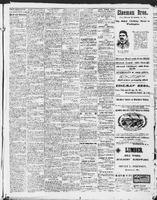
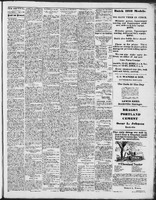
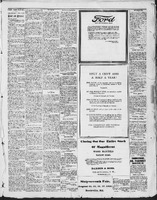
Looking now at the different types of thefts that occured from 1900-1920, there were a large variety of lefts, ranging from stealing jewelry, cash, embezzlement and animals, such as chickens and horses. The patterns in which these crimes were documented varried significantly based on when they were written, and what the theft entailed. Looking at two of the examples shown on this page, "Confessed Stealing Chickens" and "Stealing Jewelry" the way the two stories are presented in the paper differs slightly. The article about the theft of chickens is shown to be considered a more serious crime, as it was given its own headline, and the details of the case were described in great detail. The case of stolen jewelry was given only a very breif coverage in the "Local and Personal" section. The reason the story of chickens being stolen was given more attention than jewelry being stolen is due to the implication livestock has on an individual's livelihood.
Looking at the third example "Youth Accused of Embezzlement," this case discusses a 17 year old boy who was accused of embezleing more than $5,000 from Sandy Spring Bank before fleeing to Chicago. This case recieved more attention as a result of the bank being the victim, meaning it could have impacted larger portions of the state. (Youth Accused of Embezzlement) This depiction of embezzlement is similar to Katherine Unterman's description of crime, when she discusses how embezzlement offenders would flee to Canada to avoid prosecution, and that routes out of Chicago were used to get there. (Unterman 2012)
Unterman, Katherine. “Boodle over the Border: Embezzlement and the Crisis of International Mobility, 1880–1890.” The Journal of the Gilded Age and Progressive Era 11, no. 2 (2012): 151–89. https://doi-org.mutex.gmu.edu/10.1017/S1537781412000011.