
Landon House
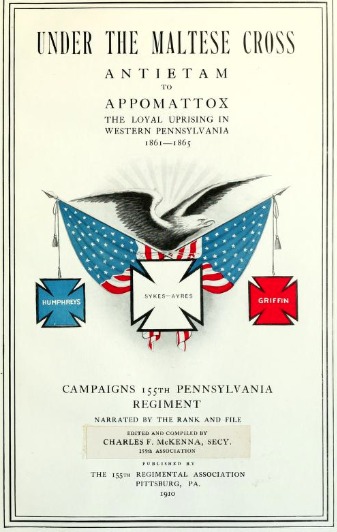
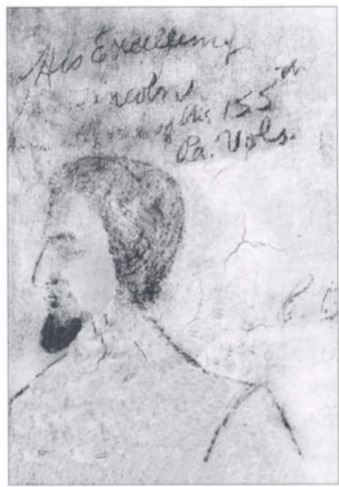
"The Confederates of Longstreet's Corps had occupied this building a few nights previous. They had written their autographs, and many unpatriotic inscriptions, with burnt sticks, on the beautifully, white-plastered walls. They had registered their names, ranks, and regiments conspicuously ; some recording disloyal epigrams and other epitaphs on Abraham Lincoln. The Union troops (about one hundred in number) who found shelter in the hospitable seminary also took burnt sticks and recorded tributes far from complimentary to one Jefferson Davis and the Southern Confederacy, indulging at the same time in loyal cartoons of Lincoln, Washington, etc. The names of John M. Lancaster, Theophilus Callen, Newell D. Loutsenheiser, Thomas P. Tomer, James P. O'Neil, Robert P. Douglass, Hugh Leonard, James Finnegan and John Crookham, all of the One Hundred and Fifty-fifth, are among those now recalled as having duly recorded their names, ranks, etc., that night on the walls of the parlors of the seminary.
Private McKenna, of Company " E," especially distinguished himself on this occasion as a lightning artist, and was given three cheers by the comrades who witnessed his performance, and unanimously voted Regimental artist."
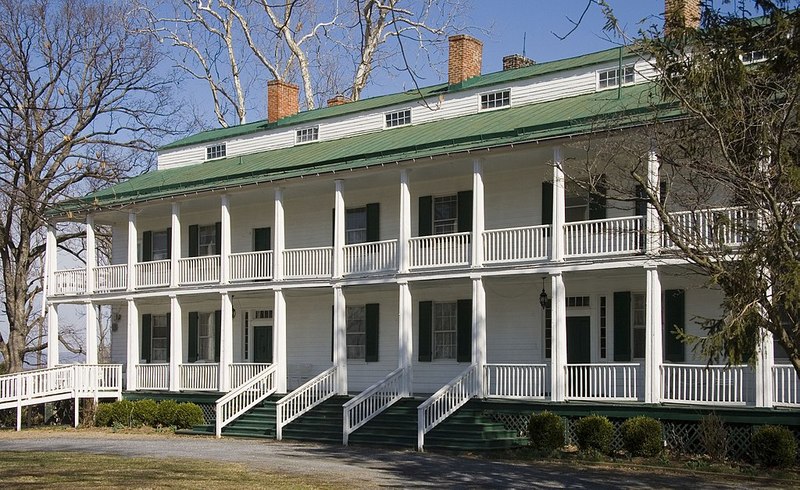
"it is thought that the Confederate soldiers who stayed here pulled burnt sticks from the fireplace and drew pictures of CSA President Jefferson Davis and their commander, General Stuart, over one of the mantles. Shortly thereafter, Union troops from Pennsylvania chased Stuart and soldiers from Landon. Seeing what the images the Rebs had drawn, the Union troops drew a twice-as-large image of their president, Abe Lincoln, and signed their names and dated it Sept. 16, 1862."
Michael Kurtianyk, Landon House: A Short History, November 29, 2010
