Blenheim House
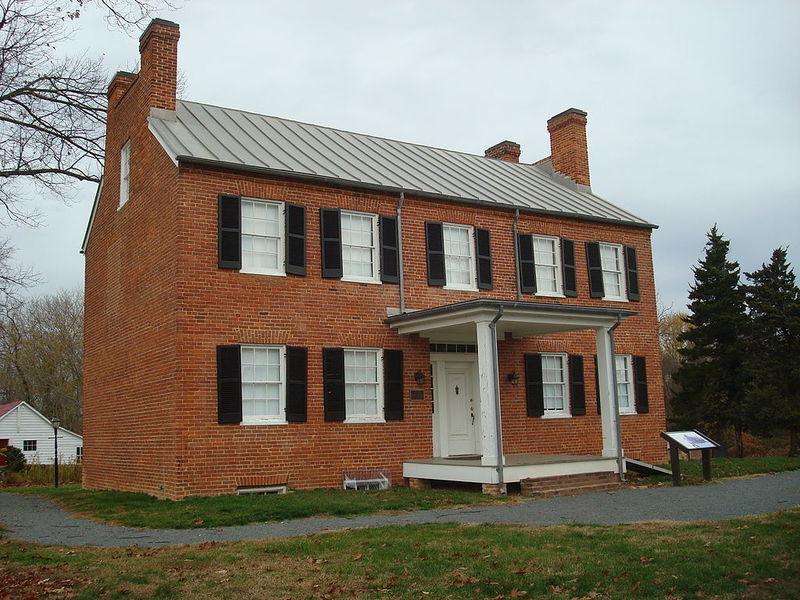
Historic Blenheim is a c. 1859 central-hall plan Greek Revival-style brick farmhouse built by Albert Willcoxon just prior to the Civil War (1861-65). It was part of a 367-acre farm, with six enslaved people.
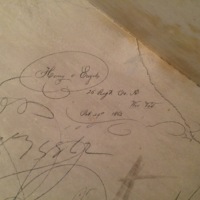
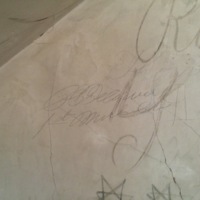
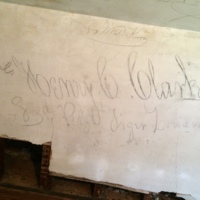
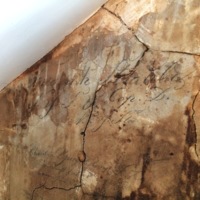
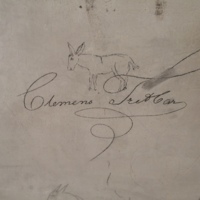
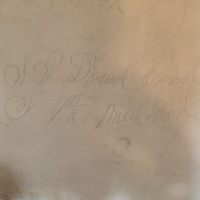
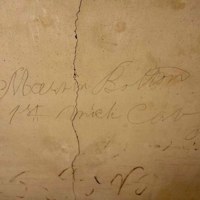
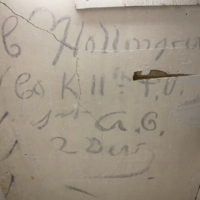
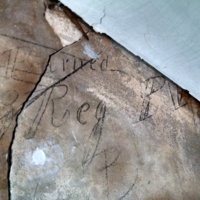
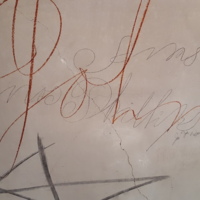
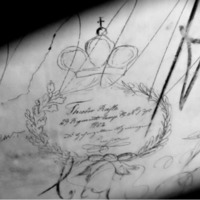
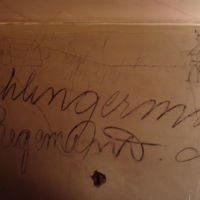
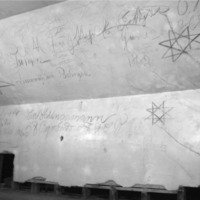
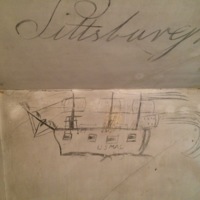
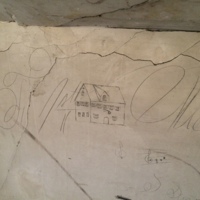
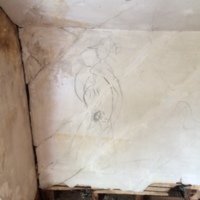
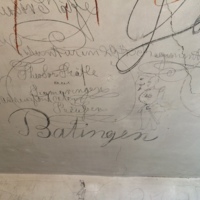
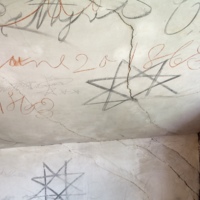
Between March 1862 and June 1863, hundreds of Union soldiers left marks on the attic and the walls of the first and second floors, in plaster that was still drying. After the war, while the marks on the first and second floors were covered over, those in the attic were left exposed.
The earliest signatures were left by soldiers training or resting. Later Blenheim served as part of the Reserve Hospital system with more than 1800 sick soldiers housed in the area, the sickest in the house - diseases ravaged Civil War armies, killing more than twice as many as died on the battlefield. The final group of soldiers, particularly cavalry, were at Blenheim as part of the defenses of Washington.
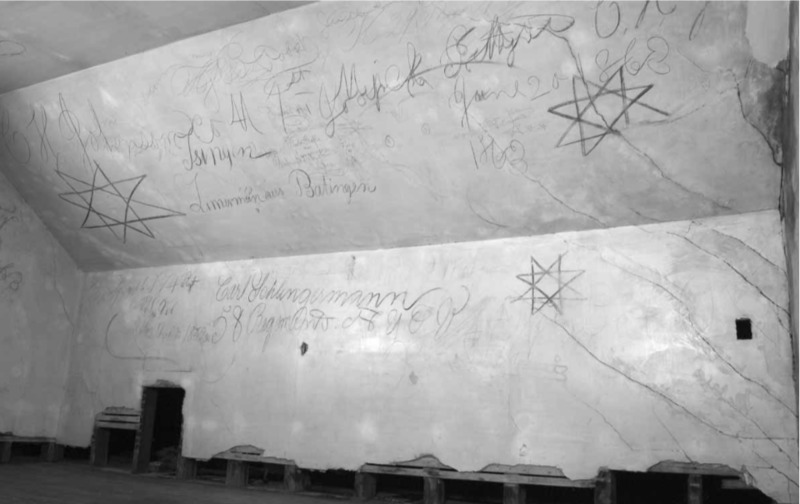
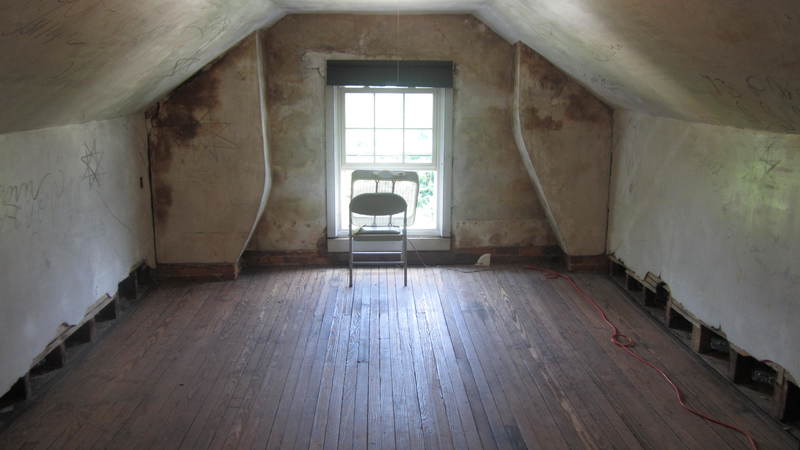
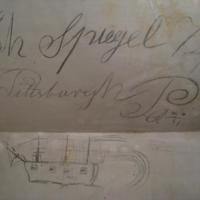
Since 1998, 121 soldiers who wrote their names and regiments have been identified. Those men served in 23 Union regiments from Massachusetts, Michigan, New Jersey, New York, Pennsylvania, West Virginia, and Wisconsin. More than 40 of the soldiers were born in Europe, mostly Germany.
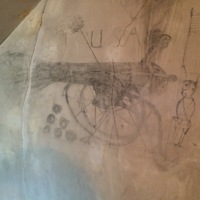
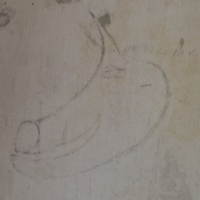
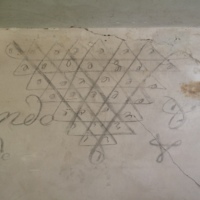
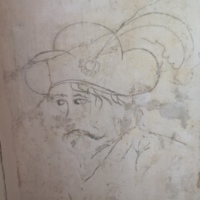
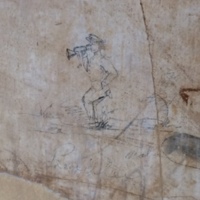
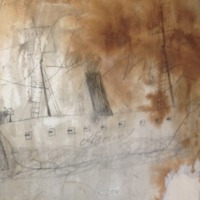
In addition to the signatures, there are numerous drawings - military images, men, women, ships, buildings, some obscene images, and five-pointed stars that the staff at Blenheim think are a German game.