
A Pension
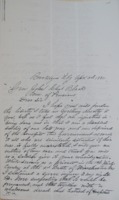
In April 1885, Flower wrote to the Commissioner of Pensions asking that his rejected pension application be reconsidered.
I feel that an injustice is being done - did not suspect injury would be permanent and dread of hosiptals, so did not seek treatment - served greater part of remaining time "on detached service" - as grow older, weakness in hip increases - cannot provide proof cis witnesses to injury are dead - rejection of previous application may be due to 'the color of my political plume"
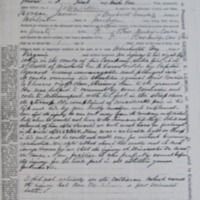
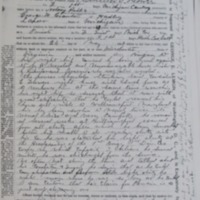
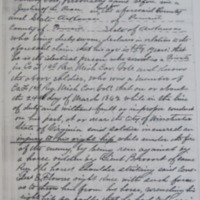
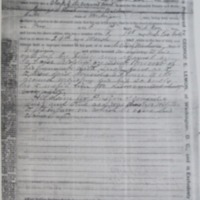
No response to that letter appears in Flower's file, but by July he had begun to collect affidavits.This was a wider-ranging, more extended process than had been undertaken for his reapplication in 1881.
Although in 1881 that he did not know the whereabouts of any of his comrades from the First Michigan Cavalry, in the second half of 1885 while living in Brooklyn he was able to obtain four affidavits from soldiers in the unit, three living in Michigan and one in Arkansas. It is possible he did so with the help of veteran organizations ike the Grand Army of the Republic and their newspapers, which were in their heyday in the 1880s.
In 1886 additional affidavits came from his family doctor in Michigan, neighbors who knew him when he returned from the war, men with whom he had shared rooms while working in New York State, two physicians who had examined him during those years, and a friend he met in New Jersey.
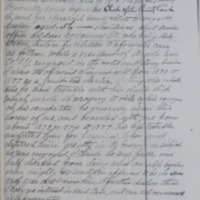
Details of injuries reported in the affidavits
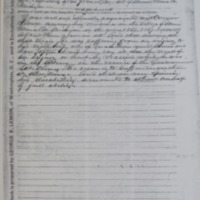
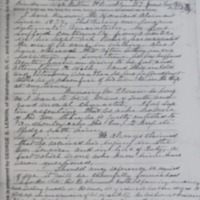
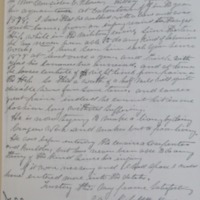
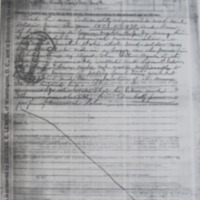
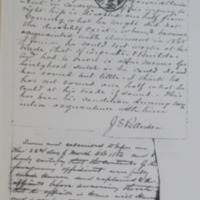
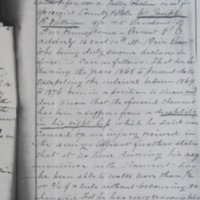
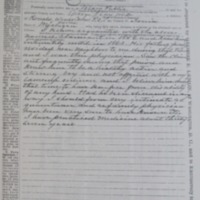
In July 1886, three months after the last of those affidavits was sworn, Flower was again examined by physicians working for the Pension Office. On this occasion, they found him to be suffering from an injury to his right femur, one which disabled him sufficiently that they recommended he be awarded a full pension.
Finally, on February 12, 1887, almost two years after Flower had requested his case be reconsidered, he was awarded a pension. But not a full pension: 1/4 until July 1887, and then 3/4 from that time.